By White Stone Real Estate
Homeowners insurance is one of the costs first-time buyers in Hot Springs and Garland County encounter in the closing process and frequently understand the least. It is required by virtually every mortgage lender and one of the most important financial protections a homeowner carries, yet most buyers sign up for a policy without fully understanding what it covers, what it does not, and what the specific property characteristics of the Ouachita region mean for their coverage needs. Here is what every buyer should know before choosing a policy.
Key Takeaways
- A standard homeowners policy covers the dwelling, other structures, personal property, liability, and additional living expenses
- Flood damage is not covered by a standard policy regardless of cause
- Arkansas experiences significant severe weather including tornadoes, hail, and ice storms, and understanding how a policy handles wind and hail damage is an important question for Hot Springs area buyers
- The replacement cost versus actual cash value distinction is one of the most consequential coverage decisions a homeowner makes, and understanding the difference before choosing a policy matters enormously
What a Standard Homeowners Policy Covers
A standard homeowners policy covers five things: the physical structure of the home, other structures on the property, personal belongings, liability to others, and temporary living costs if the home cannot be occupied after a covered loss.
Each category has its own rules. Coverage limits, sub-limits on certain items, and the payout method — replacement cost versus actual cash value — determine what the policy actually delivers when it matters, and the differences between policies are more meaningful than most buyers expect.
What the Five Coverage Categories Include
- Dwelling coverage pays to repair or rebuild the home's physical structure after a covered loss
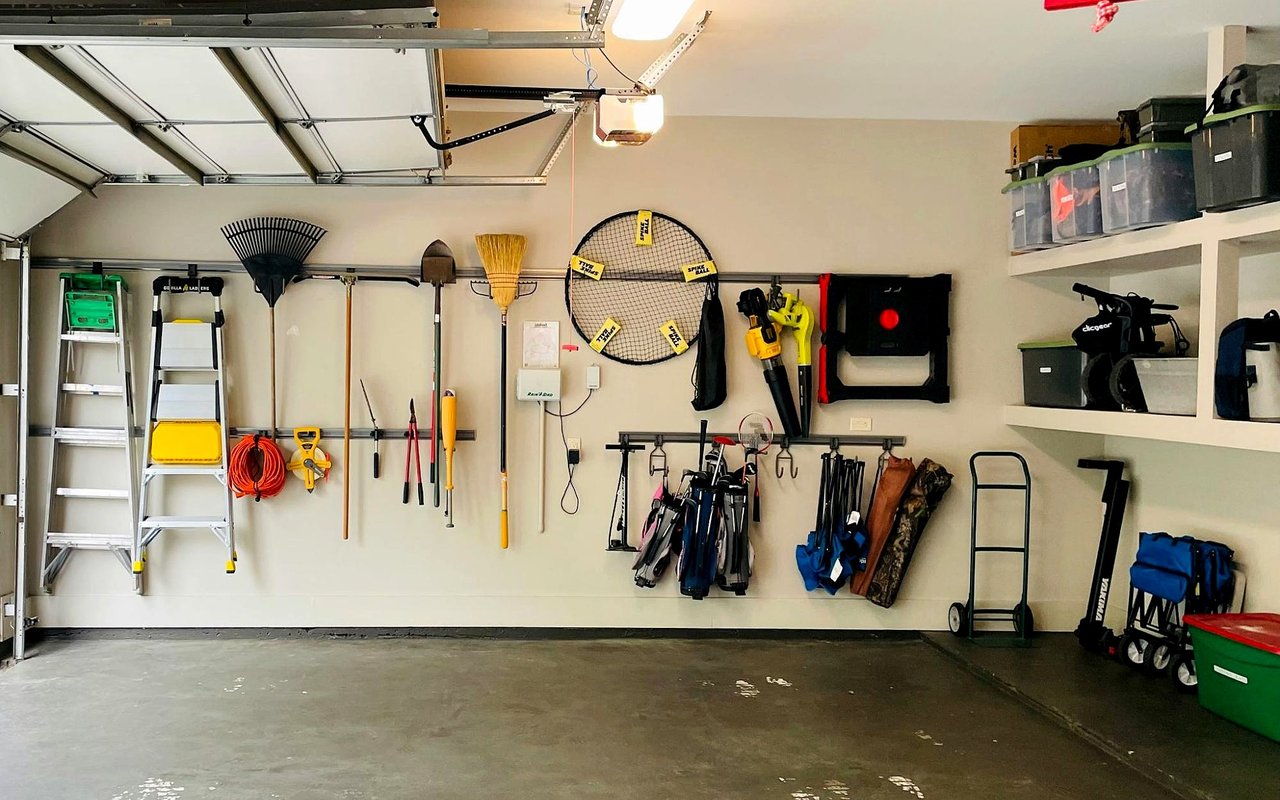
- Other structures — detached garages, fences, sheds, and outbuildings — are typically covered at 10 percent of the dwelling limit
- Personal property coverage protects furniture, electronics, appliances, clothing, and other belongings
- Liability coverage pays legal defense costs and any resulting judgment if a guest is injured on the property and pursues legal action against the homeowner
- Additional living expenses covers temporary housing, meals, and related costs while the home is being repaired
What a Standard Policy Does Not Cover
Every homeowners policy has exclusions and the ones that catch Hot Springs area buyers most off guard involve water. A standard policy covers water damage that originates inside the home but it does not cover water that enters from outside. Rising water from Lake Hamilton or Lake Ouachita, storm-related surface flooding, and any water intrusion driven by an external source all fall outside standard coverage, even when the flooding is caused by a storm that would otherwise trigger other covered losses.
Flood insurance is separate, available through the National Flood Insurance Program or private carriers, and required by federally backed mortgage lenders for properties in FEMA-designated Special Flood Hazard Areas. Sewer backup, earthquake damage, and losses from gradual deterioration or deferred maintenance round out the most common exclusions.
What Standard Coverage Does Not Include
- Flood damage of any kind — a separate flood policy is required for properties in FEMA Special Flood Hazard Areas and worth considering for any waterfront or low-lying property near Hot Springs
- Sewer and drain backup — a common and affordable rider that most standard policies exclude by default
- Earthquake damage — available as a separate endorsement for buyers who want it, though seismic risk in Garland County is relatively low
- Gradual damage and deferred maintenance — mold from ongoing moisture, slow leaks, and deterioration over time are not covered
Arkansas Weather and Coverage Considerations
Arkansas weather presents real risks that show up in both premiums and claims. What surprises many buyers is not the weather itself but the way policies respond to it, specifically the wind and hail deductible structure. Many Arkansas insurers write policies with a separate wind and hail deductible expressed as a percentage of the dwelling coverage limit rather than a flat dollar amount.
Older roofs create a second coverage consideration. Some policies reduce coverage on aging roofs from replacement cost to actual cash value, meaning the payout reflects the depreciated worth of a 20-year-old roof rather than what a new roof actually costs today. Asking these questions before binding a policy takes five minutes. Discovering the answers after a loss takes much longer.
Coverage Considerations for Hot Springs Area Buyers
- Wind and hail deductibles are often a percentage of the dwelling limit rather than a flat dollar amount
- Older roofs may trigger a shift from replacement cost to actual cash value coverage depending on the policy and the roof's age
- Waterfront and near-water properties on Lake Hamilton, Lake Ouachita, or any Garland County waterway should have flood risk evaluated even when the property sits outside a designated flood zone
- Replacement cost coverage pays current rebuild prices; actual cash value deducts depreciation and frequently leaves a meaningful gap
FAQs
Is flood insurance required for homes in Hot Springs, AR?
Flood insurance is required by federally backed mortgage lenders for properties in FEMA-designated Special Flood Hazard Areas. Buyers can check flood zone designation using the FEMA Flood Map Service Center before making an offer. Properties outside designated flood zones are not required to carry flood insurance but may still face meaningful risk depending on proximity to Lake Hamilton, Lake Ouachita, or other water features in Garland County.
How much homeowners insurance do I need for a home in Hot Springs?
Dwelling coverage should reflect the cost to rebuild the home at current construction costs, not its purchase price or market value. Construction costs have risen significantly in recent years and policies that were adequate several years ago may now be underinsured. An insurance agent familiar with the Hot Springs market can help establish a coverage amount that reflects actual rebuild costs for the specific property.
What is the difference between replacement cost and actual cash value coverage?
Replacement cost pays what it costs to repair or replace damaged property at current prices. Actual cash value pays the depreciated value, which for a roof or appliances that are years old can be significantly less than what replacement actually costs. Replacement cost policies carry higher premiums but produce dramatically better outcomes in a significant loss.
Contact White Stone Real Estate Today
Understanding the full cost of homeownership, including what insurance you need and what it covers, is part of how we help buyers in Hot Springs, Hot Springs National Park, Hot Springs Village, and throughout Garland County make confident, well-informed decisions.
Reach out through White Stone Real Estate to connect with our team and get started.